
Every second, businesses face thousands of cyber attacks. Without a solid cybersecurity policy and governance framework, these attacks can cripple operations, erode trust, and lead to devastating financial losses. This guide will help you develop a business cybersecurity strategy that includes robust policy and governance to protect your organization in an increasingly hostile digital landscape.
Cybersecurity Policy and Governance
A cybersecurity policy, often encompassing an information security policy, refers to the set of rules and procedures that an organization establishes to protect its information systems and data from cyber threats. It outlines how the organization will handle security incidents, manage risks, and ensure compliance with relevant laws and regulations.
Cybersecurity governance, on the other hand, is the overall management of cybersecurity within an organization. It involves setting strategic direction, defining roles and responsibilities, and ensuring that cybersecurity is integrated into the organization’s overall risk management strategy.
Together, cybersecurity policy and governance form the backbone of a business’s defense against cyber threats. They ensure that the organization is not only reactive but also proactive in managing cyber risks.
Why Cybersecurity Policy and Governance Matter
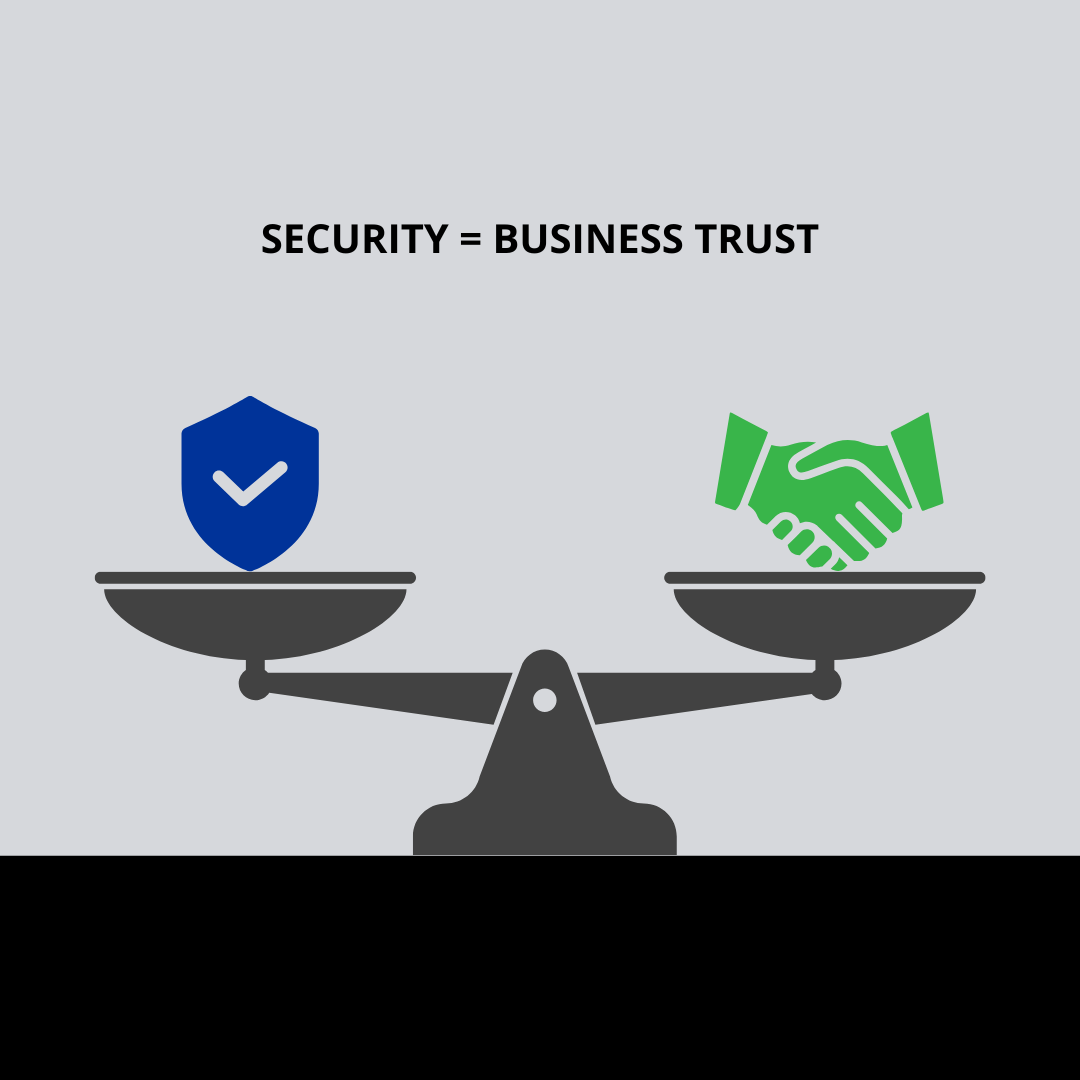
Good governance protects both your assets and your reputation.
Today cyber threats are more sophisticated and frequent than ever. From ransomware attacks to data breaches, the potential for damage is immense. For businesses, the consequences of inadequate cybersecurity can be severe:
- Financial losses: Direct costs from attacks, plus potential fines for non-compliance.
- Reputational damage: Loss of customer trust and brand value.
- Operational disruption: Downtime and loss of productivity.
- Legal liabilities: Non-compliance with regulations can lead to lawsuits and penalties.
Effective cybersecurity policy and governance help mitigate these risks by:
- Establishing clear guidelines and procedures for managing cyber threats.
- Ensuring compliance with legal and regulatory requirements.
- Building a culture of security awareness within the organization.
- Enhancing the organization’s resilience to cyber-attacks.
Key components of cybersecurity governance
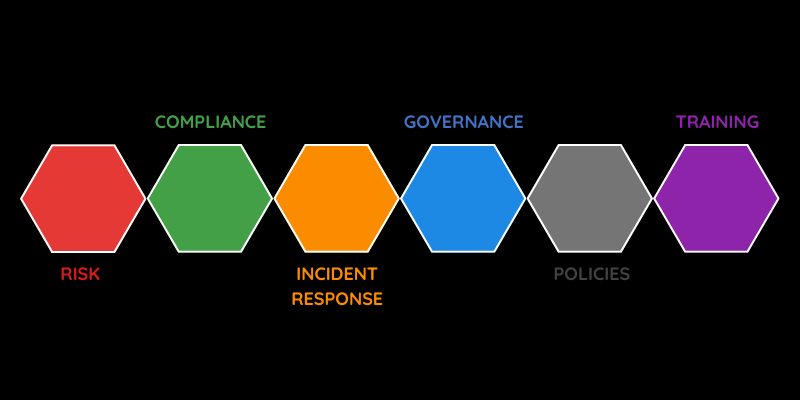
Every component plays a role in your cyber defense strategy.
Cybersecurity governance typically includes several key components:
Risk management
Identifying, assessing, and mitigating cyber risks is fundamental. This involves regular security risk assessments to understand the organization’s exposure to threats and prioritize resources effectively.
Compliance
Ensuring that the organization meets all relevant legal and regulatory requirements, such as GDPR, HIPAA, or industry-specific standards, is critical to avoid penalties and maintain trust.
Incident response
Having a plan in place to quickly and effectively respond to cyber incidents minimizes damage and ensures business continuity. This includes predefined steps for containment, recovery, and communication.
Governance structure
Defining roles and responsibilities for cybersecurity, from the board level down to individual employees, ensures accountability and clarity in decision-making.
Policies and procedures
Developing and maintaining cybersecurity policies and procedures that outline how cybersecurity is managed within the organization is essential. These include specific measures for protecting digital assets, such as access controls and data encryption.
Training and awareness
Educating employees about cybersecurity best practices and their role in protecting the organization fosters a security-conscious culture.
Effective practices for cybersecurity governance
To ensure effective cybersecurity governance, businesses should follow cybersecurity governance best practices:
Establish a clear governance structure
Appoint a Chief Information Security Officer (CISO) or equivalent role to oversee cybersecurity efforts. This leader coordinates strategies and ensures alignment with business objectives.
Conduct regular risk assessments
Identify and prioritize risks through security risk assessments to focus resources where they are most needed. Regular assessments keep defenses up to date against new threats.
Develop comprehensive policies
Develop comprehensive cybersecurity policies and procedures that encompass data protection, access control, incident response, and other key areas. Ensure these are clear, accessible, and regularly updated.
implement security controls
Utilize technical measures such as firewalls, encryption, and multi-factor authentication to safeguard systems and data. Align controls with identified risks and compliance requirements.
Foster a security culture
Train employees regularly and promote awareness of cybersecurity threats and best practices to ensure a secure environment. A well-informed workforce is a critical line of defense.
Monitor and audit
Continuously monitor the organization’s security posture and conduct regular audits to ensure compliance and effectiveness. This proactive approach identifies gaps before they become vulnerabilities.
Cybersecurity frameworks
Several cybersecurity frameworks can help businesses structure their cybersecurity governance efforts. Some of the most widely recognized include:
NIST Cybersecurity Framework
The NIST Cybersecurity Framework (NIST Framework) provides a structured approach to managing cybersecurity risk, with five core functions: Identify, Protect, Detect, Respond, and Recover. It is widely adopted across industries for its flexibility and comprehensiveness.
ISO 27001
ISO 27001 (ISO 27001) is an international standard for information security management systems (ISMS). It offers a systematic approach to managing sensitive company information, ensuring confidentiality, integrity, and availability.
CIS Critical Security Controls
The CIS Critical Security Controls are a set of best practices that significantly improve an organization’s security posture when implemented. They are prioritized to address the most common attack vectors.
These frameworks provide a foundation upon which businesses can build their cybersecurity policies and procedures.
Security risk assessments
Regular security risk assessments are crucial for understanding the organization’s vulnerabilities and prioritizing remediation efforts. A risk assessment typically involves:
- Identifying assets that need protection, such as customer data or intellectual property.
- Assessing threats and vulnerabilities, like outdated software or phishing risks.
- Determining the likelihood and impact of potential risks.
- Prioritizing risks based on their severity.
- Developing mitigation strategies, such as patching systems or enhancing access controls.
- By conducting regular security risk assessments, businesses can stay ahead of emerging threats and ensure that their cybersecurity measures are effective and up-to-date.
Global Compliance
Compliance with global regulations is a critical aspect of cybersecurity governance. Different regions have their own sets of laws and standards, such as:
- GDPR (General Data Protection Regulation): This applies to organizations handling the personal data of EU citizens (GDPR).
- HIPAA (Health Insurance Portability and Accountability Act): For healthcare organizations in the US (HIPAA).
- PCI DSS (Payment Card Industry Data Security Standard): For organizations that handle credit card information (PCI DSS).
Ensuring Global Compliance not only avoids penalties but also demonstrates a commitment to protecting customer data, which can enhance trust and reputation.
Resources for cybersecurity governance
There are numerous cybersecurity governance resources available to help businesses develop and improve their cybersecurity governance:
- Government agencies: The Cybersecurity and Infrastructure Security Agency (CISA) in the US provides guidelines and best practices.
- Industry associations: The Information Systems Security Association (ISSA) offers networking and resources.
- Consulting firms: Firms specializing in cybersecurity governance and compliance provide expert guidance.
- Online platforms: Secureframe offers tools and expert support for cybersecurity governance.
Utilizing these resources can provide valuable insights and support for implementing effective cybersecurity measures. Cybersecurity is not a one-time effort but a continuous process that requires ongoing attention and adaptation. By prioritizing cybersecurity policy and governance, businesses can safeguard their operations, maintain trust with their stakeholders, and thrive in the digital age
A cyber governance policy is a framework of rules, standards, and practices that guide an organization’s cybersecurity efforts, ensuring alignment with business goals, legal requirements, and risk management.
GRC in cybersecurity stands for Governance, Risk Management, and Compliance, a structured approach to align IT with business objectives, manage cyber risks, and ensure adherence to regulations.
Cybersecurity governance is the system of policies, processes, and oversight that ensures an organization’s cybersecurity strategies protect assets, manage risks, and comply with laws.
Cybersecurity in e-governance protects digital government services, data, and infrastructure, ensuring trust, confidentiality, and uninterrupted delivery of public services online.