
Cyberattacks strike with increasing precision, pushing organizations to adopt structured defenses. Cybersecurity Frameworks deliver precise blueprints for managing risks and protecting sensitive data. This guide dissects three leading frameworks—NIST Cybersecurity Framework, ISO 27001:2022, and CIS Controls v8—to equip organizations with insights for strengthening cyber defenses.
The value of cybersecurity compliance frameworks
Cyber threats, from phishing to ransomware, target organizations daily. Cybersecurity Compliance Frameworks provide systematic approaches to pinpoint weaknesses, deploy controls, and handle incidents. These frameworks align with regulations, enhance security risk assessments, and foster stakeholder confidence. Adopting a framework ensures businesses safeguard sensitive data while sustaining operations.
Each framework addresses distinct needs, industries, and compliance goals. This Cybersecurity Framework Comparison clarifies their structures, benefits, and use cases to inform strategic choices.
Inside the NIST Cybersecurity Framework (CSF v2.0)
What it offers
The NIST Cybersecurity Framework, crafted by the National Institute of Standards and Technology, supplies voluntary guidelines for cybersecurity risk management. Version 2.0, launched in 2024, adds a “Govern” function to prioritize cybersecurity oversight, complementing its five core functions: Identify, Protect, Detect, Respond, and Recover.
How it’s built
- Govern: Sets cybersecurity priorities and policies.
- Identify: Catalog assets, risks, and vulnerabilities.
- Protect: Deploys safeguards like encryption and access controls.
- Detect: Watches for threats and anomalies.
- Respond: Outlines incident containment steps.
- Recover: Details system restoration post-incident.
With 108 subcategories, the framework allows customization based on risk profiles. Access the full details by downloading the NIST Cybersecurity Framework v2.0 PDF from NIST’s official site.
Key advantages
- Versatility: Fits organizations across sizes and sectors.
- Risk-Centric: Prioritizes risks via security risk assessments.
- Compatibility: Aligns with ISO 27001:2022 and CIS Controls v8 for seamless integration.
- Cost-Free: Freely available, ideal for small businesses.
Where it shines
The NIST Cybersecurity Framework thrives for organizations needing a flexible, strategic approach. It’s popular in the U.S., especially among government contractors and critical sectors like healthcare and energy. Its voluntary structure suits businesses establishing core cybersecurity programs.
Potential hurdles
- No Certification: Lacks formal certification, which may not meet client demands for audited compliance.
- Complexity: Demands expertise for effective deployment, particularly for smaller entities.
Unpacking ISO 27001:2022
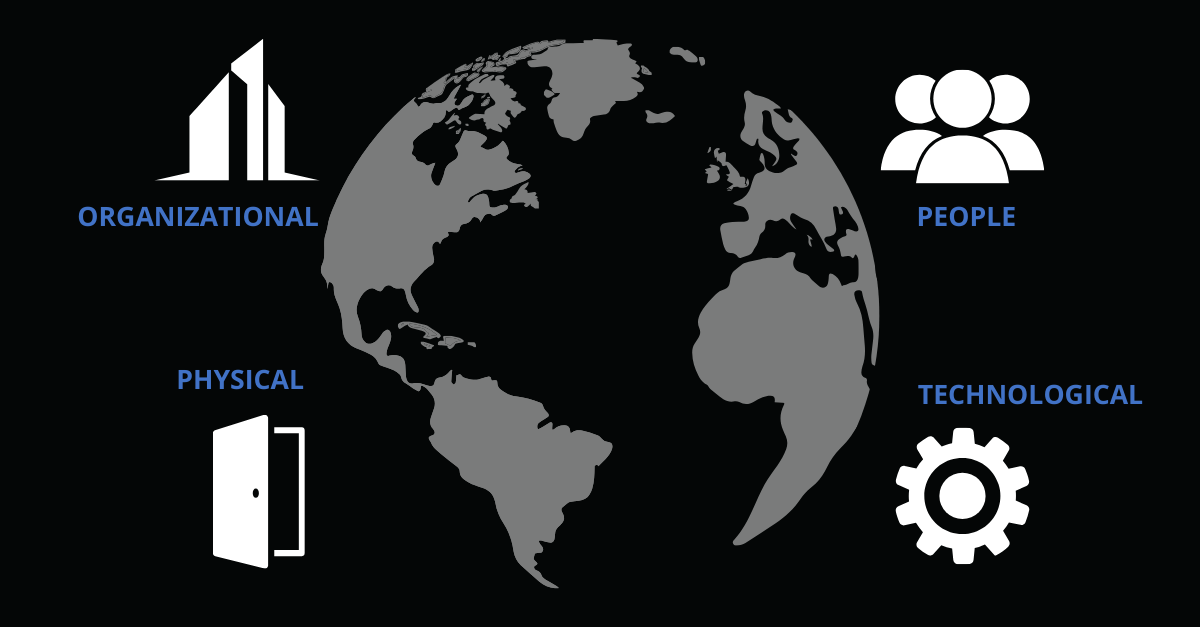
Global standard for managing information security with governance, people, physical, and technical controls.
Core concept
ISO 27001:2022, issued by the International Organization for Standardization and International Electrotechnical Commission, specifies requirements for an Information Security Management System (ISMS). Updated in 2022, it focuses on building, maintaining, and refining security processes to ensure data confidentiality, integrity, and availability.
Framework breakdown
Clauses 4-10: Address organizational context, leadership, planning, support, operations, evaluation, and improvement.
Annex A: Includes 93 controls across Organizational, People, Physical, and Technological categories.
The standard mandates security risk assessments, control implementation, and audits for certification.
Top benefits
- Global Credibility: Recognized worldwide, perfect for multinational firms.
- Certification: Provides third-party validation, proving compliance to regulators and partners.
- Holistic scope: Covers governance, risk management, and technical controls.
- Ongoing refinement: Promotes continuous ISMS improvement.
Best use cases
ISO 27001:2022 fits mature organizations pursuing formal certification. It’s common in finance, technology, and healthcare, where compliance and trust are paramount. Its global reach makes it ideal for international operations.
Implementation Challenges
- High costs: Audits and certification incur significant expenses.
- Resource-heavy: Requires substantial time and effort to implement and maintain.
- Less technical: Offers fewer prescriptive technical controls than CIS Controls v8.
Decoding CIS Controls v8
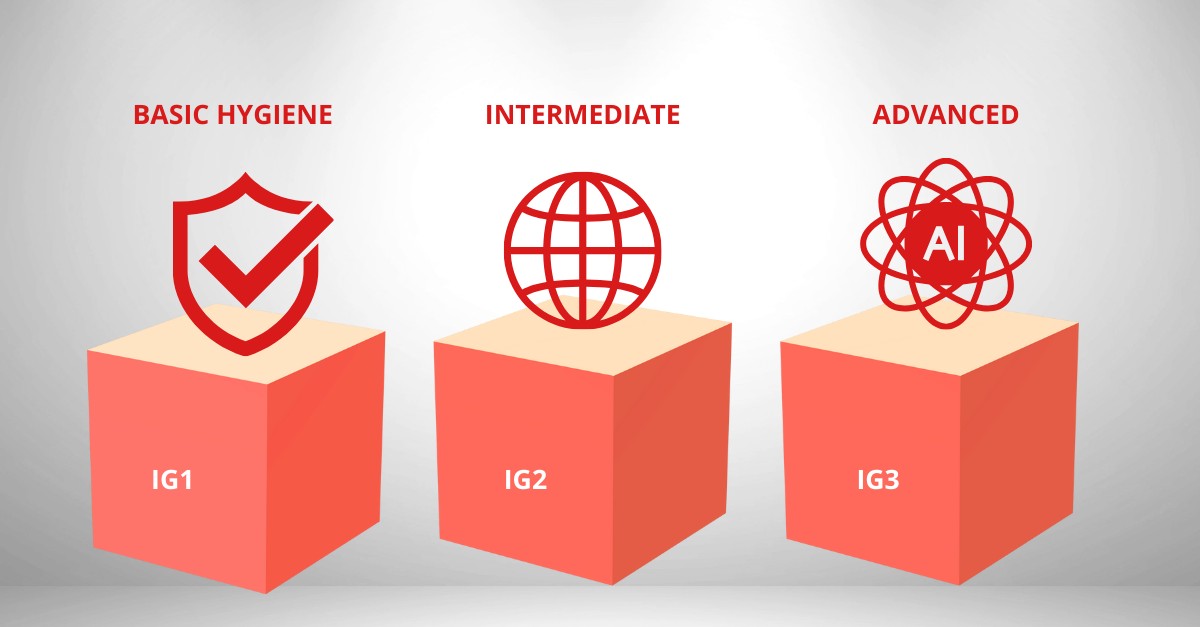
Prioritized technical safeguards for organizations of all sizes, from basic hygiene to advanced defense.
Core purpose
Created by the Center for Internet Security, CIS Controls v8 delivers 18 prioritized controls to counter common cyberattacks. Launched in 2021, it emphasizes practical steps for strengthening cyber defenses. Explore more on the CIS Critical Security Controls v8 Official Page.
Control structure
18 controls: Grouped into three Implementation Groups (IGs):
- IG1: Basic cyber hygiene for small organizations.
- IG2: Intermediate controls for mid-sized firms.
- IG3: Advanced measures for large enterprises.
Safeguards: Each control lists specific actions, like securing software or managing access.
Standout features
- Prioritized actions: Targets high-impact measures for prevalent threats.
- Clear guidance: Simplifies adoption for resource-constrained organizations.
- Framework alignment: Maps to the NIST Cybersecurity Framework and ISO 27001:2022 for unified compliance.
- Free tools: Provides benchmarks and implementation guides at no cost.
Ideal applications
CIS Controls v8 suits organizations seeking clear, technical guidance. Small—and medium-sized businesses leverage its straightforward controls, while larger firms use it alongside broader frameworks. Its practicality makes it versatile across industries.
Limitations
- No Certification: Like the NIST Cybersecurity Framework, it lacks formal certification.
- Narrow Focus: Emphasizes technical controls, less on governance than ISO 27001:2022.
- Expertise for Advanced Controls: IG3 implementation requires significant skills.
Cybersecurity Framework Comparison: side-by-side analysis
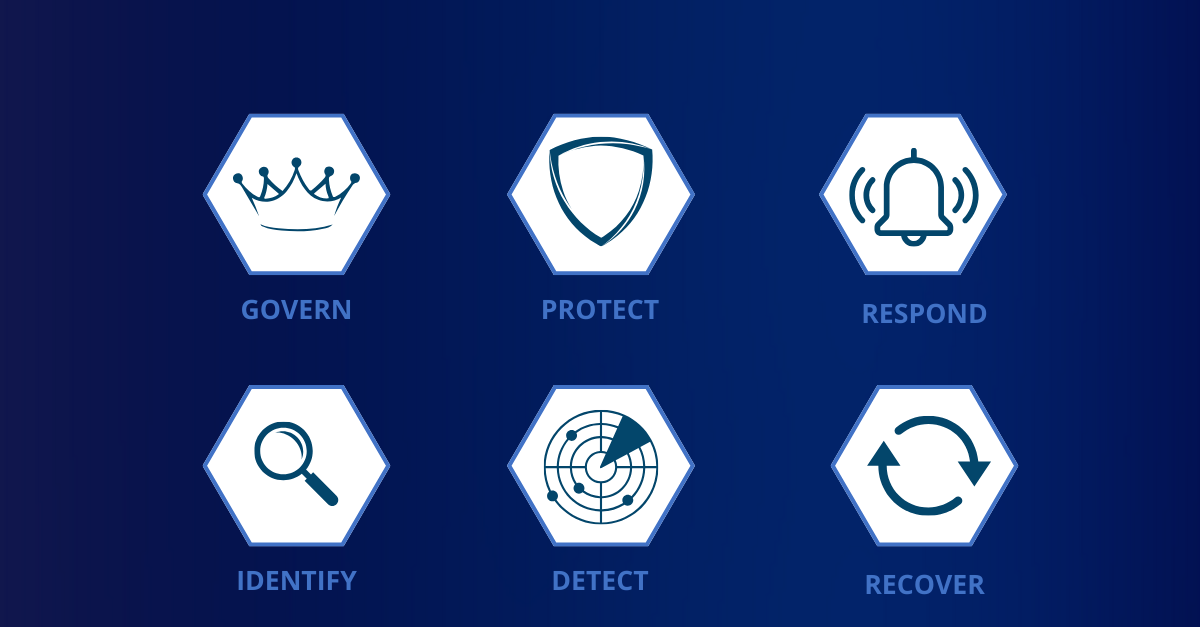
Flexible, risk-based framework for identifying, protecting, detecting, responding, and recovering from cyber threats.
Scope and priorities
- NIST Cybersecurity Framework: Broad, risk-based, covering governance and operations. Ideal for strategic planning.
- ISO 27001:2022: Governance-driven, focusing on a certified ISMS. Suits regulatory compliance and global reach.
- CIS Controls v8: Technical, action-focused for rapid threat mitigation. Best for immediate security gains.
Organizational fit
Small Businesses: CIS Controls v8 (IG1) provides simple, budget-friendly steps, while the NIST Cybersecurity Framework offers flexibility.
Mid-Sized Firms: NIST Cybersecurity Framework or CIS Controls v8 (IG2) balances cost and depth.
Large Enterprises: ISO 27001:2022 ensures certification and global trust, while CIS Controls v8 (IG3) bolsters technical defenses. NIST Cybersecurity Framework supports enterprise risk management.
Selecting the Best Framework
Choosing a framework hinges on goals, resources, and compliance needs:
- Regulatory demands: ISO 27001:2022 excels for certified compliance, while the NIST Cybersecurity Framework fits U.S. government contractors.
- Budget constraints: CIS Controls v8 and the NIST Cybersecurity Framework are cost-effective, unlike the pricier ISO 27001:2022.
- Organizational maturity: Startups benefit from CIS Controls v8’s simplicity, while mature firms target ISO 27001:2022 certification.
- Industry needs: Critical infrastructure favors the NIST Cybersecurity Framework, global businesses opt for ISO 27001:2022, and tech firms adopt CIS Controls v8.
- Perform a gap analysis to evaluate current capabilities against framework requirements. Involve stakeholders to align the framework with business priorities.
Steps for effective implementation
- Begin with risk assessments: Conduct security risk assessments to identify vulnerabilities and prioritize controls.
- Use Framework mappings: Align the NIST Cybersecurity Framework, ISO 27001:2022, and CIS Controls v8 to streamline compliance.
- Train employees: Educate staff on framework requirements for consistent execution.
- Track progress: Regularly assess controls to protect sensitive data and strengthen cyber defenses.
- Engage experts: Consult cybersecurity specialists for complex deployments, especially for ISO 27001:2022 certification.
Cybersecurity Frameworks like the NIST Cybersecurity Framework, ISO 27001:2022, and CIS Controls v8 equip organizations to secure sensitive data and fortify defenses. Each framework offers distinct strengths: The NIST Cybersecurity Framework offers flexibility, ISO 27001:2022 ensures certified compliance, and CIS Controls v8 delivers actionable controls. This Cybersecurity Framework Comparison clarifies their differences, helping organizations pick the right fit to counter evolving threats.
Download the NIST Cybersecurity Framework v2.0 PDF or visit the CIS Critical Security Controls v8 official page for more details. Act now to align your cybersecurity strategy and protect your organization’s future.
NIST CSF v2.0 is a voluntary, flexible framework focused on risk-based cybersecurity with six functions (Govern, Identify, Protect, Detect, Respond, Recover) and no certification. ISO/IEC 27001:2022 is a certifiable standard requiring an Information Security Management System (ISMS) with 93 controls, emphasizing governance and global compliance.
CIS Controls v8’s 18 controls align with NIST CSF v2.0’s six functions. For example, Control 1 (Inventory) maps to Identify, Control 4 (Secure Configuration) to Protect, and Control 10 (Malware Defenses) to Detect, ensuring practical implementation of NIST’s categories.
CIS Controls v8 (IG1) is best for SMEs due to its simple, cost-free, and prioritized controls. NIST CSF v2.0 is also suitable for its flexibility and free access, while ISO 27001:2022 is costlier and better for larger, compliance-driven firms.
Yes, an organization can hold ISO 27001 certification while following NIST CSF v2.0. The frameworks are compatible, with NIST’s risk-based approach complementing ISO’s ISMS requirements, allowing integrated compliance.
Reassess annually or after significant changes (e.g., new threats, system updates). NIST CSF v2.0 and CIS Controls v8 recommend ongoing monitoring, while ISO 27001:2022 requires annual audits and continual improvement.